


The choice usually sounds simple at the start. Pick a method, print the design, move on. But anyone who has worked with prints for a while knows it rarely stays that straightforward. As to how Mad Monkey Transfers faces questions at one point during their journey as a brand, it is indeed a must-talk.
The discussion around UV printing vs screen printing keeps coming up for a reason. Both methods can deliver good results. The difference shows up in how they behave over time, how they feel on fabric and how much effort goes into getting them right.
For those exploring custom UV DTF transfers, this comparison often becomes the point where decisions start to feel a bit more real.
What UV Printing Feels Like in Practice
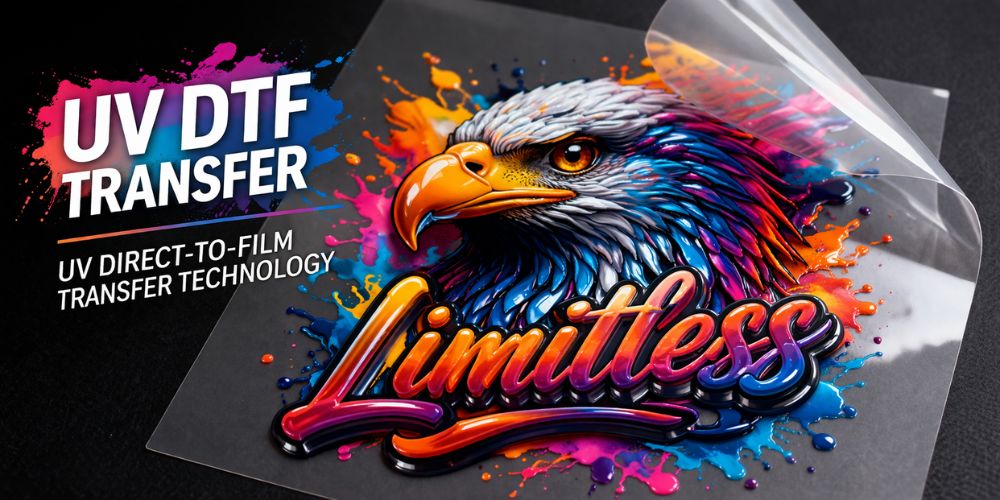
UV printing works differently from traditional methods. The design does not sink into the fabric. It stays on the surface, held in place by a cured layer.
That changes how the print looks and how it reacts.
Where It Stands Out
-
Fine details stay sharp
-
Colors appear clean and defined
-
Setup feels quicker for smaller runs
It often feels like a method built for flexibility. One design, a few pieces, no heavy preparation needed.
Screen Printing
Screen printing follows a slower, more structured process. Each layer is built through a screen, one step at a time.
It takes more effort upfront. Once it is set, it becomes very efficient.
Why It Still Works So Well
-
Strong results on bulk orders
-
Ink settles deep into the fabric
-
Reliable across repeated production
There is a certain consistency to it. Once everything is dialed in, it stays that way.
The Look and Feel Are Not the Same
At a glance, both prints can look solid. The difference shows when the shirt is worn, washed and handled.
UV Printing Surface Feel
The design sits slightly raised. It feels smooth, almost like a thin layer resting on top. This helps keep details crisp.
Screen Printing Texture
Screen printing blends more into the fabric. It often feels softer after a few washes, especially on cotton.
Neither is right or wrong. It depends on what someone prefers when they hold the shirt.
Durability Is Where Things Shift
Durability is not just about how long the print lasts. It is about how it wears over time.
Screen printing holds well because the ink becomes part of the fabric. It can handle regular use without much change.
UV printing relies on how well the surface holds the design. When applied properly on the right fabric, it can last well. When the surface is not ideal, small issues can show up later.
This is why fabric choice matters more than most expect with UV methods.
Cost Feels Different for Each Method
The cost is shaped by how the process works.
Screen Printing Setup
Each design needs preparation. That setup cost makes sense when producing large quantities. The more pieces, the lower the cost per unit.
UV Printing Approach
There is less setup involved. That makes it easier to handle small orders or custom pieces without extra effort.
For smaller brands or short runs, this difference often becomes noticeable very quickly.
Choosing Based on the Situation
There is no single answer that fits every case. The better approach is to match the method to the need.
UV Printing Fits When
-
Designs are detailed or complex
-
Orders are small or personalized
-
Turnaround time matters
Screen Printing Fits When
-
Orders are large
-
Designs are simple
-
Consistency across batches is needed
Looking at it this way makes the choice feel less confusing.
Why More People Are Exploring UV Methods
There has been a quiet shift over time. Not sudden, but steady.
More businesses are leaning toward methods that allow quicker output without heavy setup. UV printing fits into that space.
It gives room to experiment. Smaller batches feel manageable. Custom designs do not require the same level of commitment as before.
Screen printing still holds its place. Especially for large runs. But the gap between the two methods is not as wide as it once was.
Conclusion
The comparison between screen printing vs UV printing is less about which one wins and more about what works in a given situation.
Screen printing brings consistency and strength for bulk production. UV printing offers flexibility and detail for custom work.
For those working with custom UV DTF transfers, the difference often becomes clear after a few real attempts. The method chosen shapes not just the print, but the entire process around it. Once that becomes clear, the decision tends to feel a lot simpler. However, if there’s a need to have a professional aid in terms of custom UV DTF transfers, we can be reliable on that matter.