


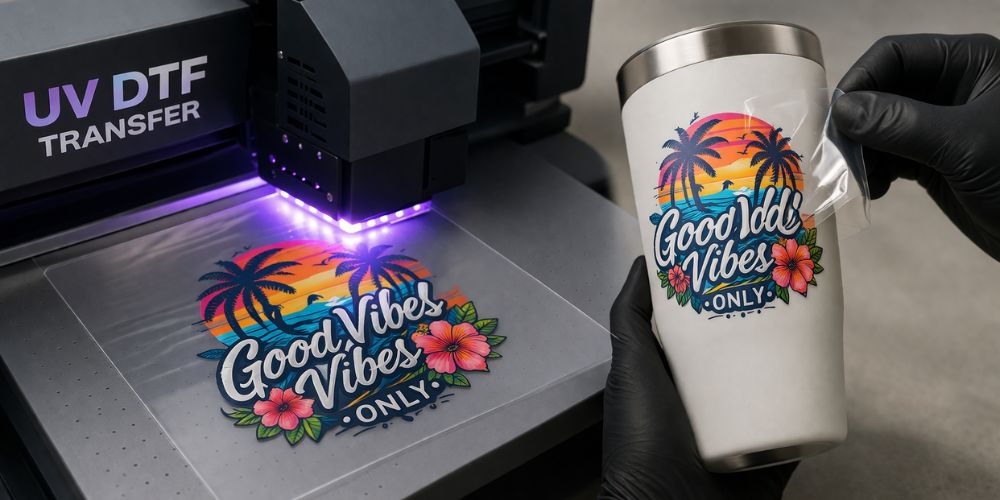
Most people blame the transfer when a print doesn’t sit right. Truth is, the fabric usually had something to do with it from the start.
With custom UV DTF transfers, the design doesn’t melt into the shirt like traditional prints. It rests on top and relies on a clean, steady surface to hold on. That small detail is where things either go right or quietly fall apart.
Two shirts can look identical. One holds perfectly. The other starts lifting at the edges after a wash. The difference often comes down to the fabric itself. Through the well-experienced guidelines from Mad Monkey Transfers, there will be a line on educative information for those who need to know, just read on here.
Why Fabric Choice Makes a Real Difference
UV DTF depends on contact. Not pressure alone. Not heat alone. Contact.
If the surface is uneven, the adhesive never fully settles. It sticks in some places, struggles in others. That is when issues start to show later.
Smooth Surfaces Make Things Easier
A flatter fabric gives the transfer a proper base. No gaps. No interruptions. The design sits evenly and feels secure.
Texture Breaks That Balance
Even a slight texture can create tiny air spaces. They are not always visible, but they weaken the hold over time.
Polyester Feels More Predictable
Polyester tends to behave in a way that makes the process feel simple. Not perfect, but consistent.
It has a smoother finish. The fibers stay in place. The transfer lands evenly without much resistance.
What Stands Out
-
The surface feels clean and stable
-
The design keeps its shape after washing
-
Fewer surprises during application
Blended fabrics that lean toward polyester usually follow the same pattern. They are easier to work with and give more repeatable results.
Cotton Can Be Tricky at Times
Cotton is comfortable. Everyone likes it. But when it comes to UV DTF, it can feel a bit unpredictable.
The surface is softer and more open. That makes it harder for the adhesive to settle evenly.
When Cotton Still Works Well
-
Tightly woven cotton with less visible texture
-
Heavier shirts that do not shift much during pressing
-
Fabrics that feel smooth when you run your hand across them
It is not that cotton fails. It just asks for more attention. A quick test often tells you everything you need to know.
Textured Fabrics Often Cause Issues
Some shirts look great on a hanger but behave differently once you start printing.
Anything with texture tends to interrupt the process.
What Usually Happens
-
Edges start lifting after a few wears
-
Parts of the design feel slightly loose
-
Small cracks appear without warning
Fleece, ribbed fabrics or anything with a raised pattern can create these problems. Not always immediately, which makes them easy to miss at first.
Fabric Feel and Finish Matter More Than Expected
Sometimes it is not just the material. It is how the fabric feels.
A shirt that feels smooth to the touch usually gives better results. One that feels slightly rough or uneven may not hold the transfer as well.
Light vs Dark Shirts
Lighter colors tend to show details more clearly. Darker shirts can still work, but the design needs to be planned so it stands out properly.
Testing Saves Time and Frustration
There is no reliable way to guess how a fabric will behave just by looking at it. Even shirts from different batches can react differently.
A simple test can answer the important questions:
-
Does the transfer sit flat
-
Does it stay after washing
-
Do the edges remain intact
That small step often avoids bigger problems later.
Finding a Fabric You Can Rely On
Once a fabric works well, sticking with it usually makes everything smoother. Changing materials too often can lead to inconsistent results.
Polyester blends tend to feel steady and reliable. Cotton can work when chosen carefully. Textured fabrics need more caution.
Over time, it becomes easier to spot what will work just by touch. That comes with a bit of trial and a bit of patience.
Conclusion
UV DTF might look simple on the surface, but the fabric underneath plays a quiet role in every result. A smooth, stable shirt supports the design. A textured one slowly works against it.
For anyone using them, the difference between a clean finish and a disappointing one often starts before the press even turns on. In fact, we have some custom UV DTF transfers options for you to choose.
Getting the fabric right early on makes everything else feel a lot less complicated.