



Polyester usually teaches its lesson the hard way. Someone sets the press the same way they always do. The transfer goes on. It looks fine at first. Then the fabric shows a slight shine. Sometimes the print edges don’t sit right. Sometimes everything looks good until the first wash.
Nothing feels completely wrong, but something clearly didn’t go right either. That’s the point where most people realize polyester isn’t difficult, just different. Once that difference is understood, the whole process settles down. Mad Monkey Transfers goes into the process of it all in terms of a genuine business experience. On top of that, the results become consistent. The guesswork fades.
Polyester Does Not Handle Heat Like Cotton
First off, your typical Polyester fabric can't absorb heat in the same way as a cotton fabric would. For one thing, it reacts to it on the surface. That means even small changes in temperature show up quickly. A few extra degrees can leave marks that weren’t there before.
This is why people who regularly work with Custom DTF Transfers adjust their settings early on. Not because something is wrong with the transfer, but because the fabric needs a different approach.
Lower Heat Feels Safer for a Reason
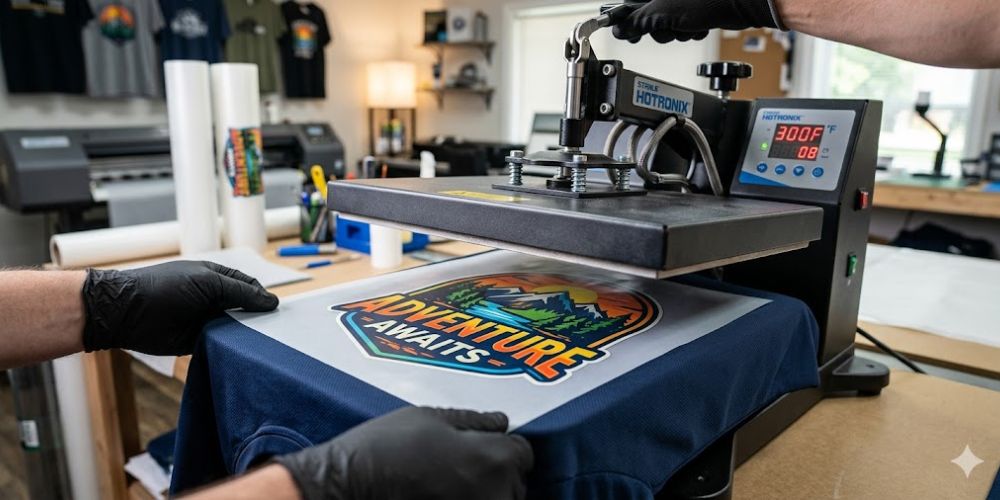
There is a common habit of increasing heat to make sure the transfer sticks well. With polyester, that usually creates more problems. A lower range, around 280°F to 300°F, tends to give better results. It allows the adhesive to bond without stressing the surface.
Higher heat might seem like a stronger hold, but it often leads to shine or slight fabric distortion. A quick test on a spare piece helps avoid ruining a finished garment. Most people only skip this once.
Pressure Should Feel Even, Not Heavy
Pressure isn’t about pushing harder. It’s about being consistent.
Too little pressure leaves parts of the design unbonded. Too much pressure flattens the fabric and can affect how the print looks. Medium to firm pressure usually works best. The press should feel balanced across the surface, not tight in one spot and loose in another. After a few presses, it becomes easier to feel when it’s right.
Pre Pressing Fixes More Than It Seems
It’s easy to skip pre pressing when the fabric looks smooth. Polyester still holds moisture, even when it doesn’t feel like it.
That moisture gets in the way of proper bonding. Furthermore, as you perform a short pre press, it gets to remove it while it flattens the surface just enough to create a better base.
No less, within a few seconds is what the process makes you use your effort but it often makes the difference between a clean result and one that feels slightly off.
Placement Needs a Quick Pause
Once the press comes down, there’s no adjustment. That’s why placement deserves a moment of attention. A design that sits slightly tilted or off center becomes very noticeable after pressing. It’s one of those mistakes that stands out more once everything else looks right.
Taking a second to align it properly avoids that problem completely. Most people build this habit after fixing a mistake once.
Timing Should Stay Controlled
More time doesn’t mean better results. It’s a common thought, but polyester doesn’t respond well to extra pressing time.
Most transfers bond well within 10 to 15 seconds. Going beyond that doesn’t improve adhesion. It just adds more heat to the fabric than it needs. Consistency matters more than extending the press.
Cooling Makes the Difference
Peeling right away feels faster. It also causes problems. DTF transfers on polyester usually settle better when they’re allowed to cool first. That short pause lets the adhesive set properly.
Peeling too early can lift parts of the design or leave uneven edges. Waiting a little longer leads to a cleaner finish.
A Second Press Adds Stability
This step often gets overlooked. After peeling, placing a cover sheet over the design and pressing again for a few seconds helps lock everything in.
It smooths the print and improves how it holds over time. People who focus on durability usually include this step after noticing how much it improves the final feel, especially when learning how prints behave after multiple washes.
Dye Movement Can Catch You Off Guard
Polyester can release dye when heat is applied. It doesn’t always happen, but when it does, it slightly affects the transfer color.
This shows up more on darker fabrics. Lower heat and shorter press times help reduce the chances of this happening. Once you’ve seen it once, it becomes easier to avoid it next time.
Conclusion
Working with polyester isn’t about doing everything perfectly.
It’s about understanding how the fabric reacts and adjusting to it. Lower heat, steady pressure, controlled timing. Simple things that make a noticeable difference.
What’s more, if there’s a need to get high-grade custom dtf transfers, there are solid options available from Mad Monkey Transfers for you. You may not only get practical guidelines but practical solutions if there’s an urgent need.