



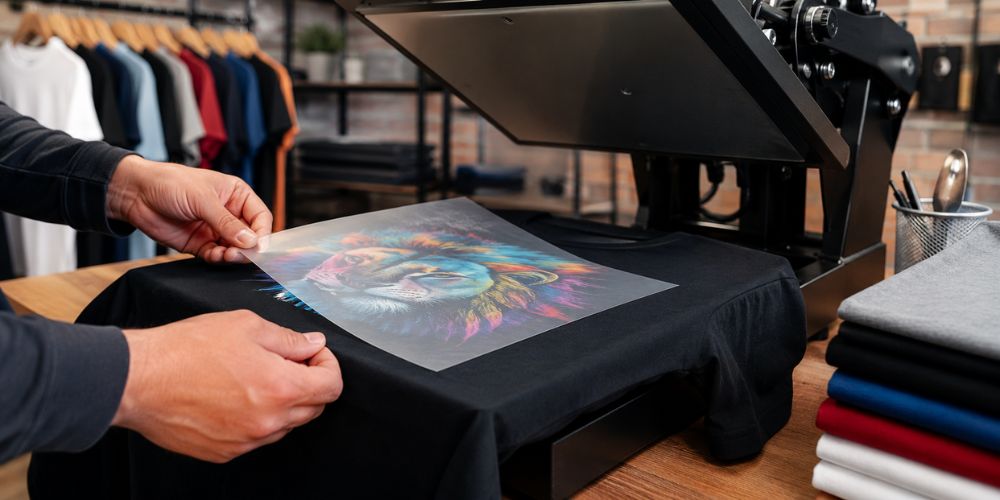
A DTF design can be bright, clean and pressed correctly, yet still look average if the shirt underneath is wrong. Print shops see this all the time. The transfer is not the weak part. The blank tee is.
The best shirts for DTF transfers have a smooth surface, steady weight and enough strength to handle heat without looking stressed. Anyone ordering through a trusted DTF transfer supplier should think about the shirt before the artwork is sent. It saves waste when a nice design lands on a shirt that feels thin.
What Shirt Fabric Works Best?
Cotton, cotton blends and polyester can all work with DTF. The better question is what the shirt will be used for. A reunion tee does not need the same fabric as a gym shirt. A staff uniform has to survive more washing than a one-day event shirt.
| Shirt Fabric | Best Use | Watch For |
| 100% cotton | Casual tees | Shrinkage |
| Cotton blend | Daily wear | Thin blends |
| Polyester | Sportswear | Heat shine |
| Heavy cotton | Streetwear | Thick feel |
Is Cotton Still the Safest Pick?
For most people, yes. Cotton is easy to understand. It feels comfortable, takes heat well and gives DTF transfers a clean base. A soft ring spun cotton shirt usually prints better than a rough budget cotton tee because the surface is smoother.
Still, cotton has its habits. Some shirts shrink after the first wash. Some feel nice at first but twist at the side seams later. That can make the print look slightly off.
A midweight cotton shirt is usually safer. Not paper thin. Not stiff. Just solid enough to carry the design.
Are Blends Better for Real Wear?
Cotton polyester blends are often the quiet winner. They do not always get the most attention, but they handle daily use well. A good blend keeps its shape, wrinkles less and feels softer after repeated washing.
This matters for business shirts, school shirts, team apparel and local brand merch. People wear those pieces more than once. They toss them in the wash. They expect the shirt to still look decent.
Good blends are useful because they offer balance:
- Softer feel than cheap polyester
- Better shape than basic cotton
- Less wrinkling after washing
- Good surface for medium prints
A 50/50 or 60/40 blend often works nicely when comfort and durability both matter.
Can Polyester Work for DTF?
Polyester works, but it needs respect. It is great for athletic shirts because it feels light and dries fast. The problem is heat. Polyester can show a shiny press box if the temperature or pressure is too aggressive.
That does not mean polyester should be avoided. It means the first shirt should be tested. One small test can prevent a full batch from looking marked.
- Press temperature before starting
- Pressure on the heat press
- Fabric reaction after cooling
- Shine around the print area
If the shirt handles the test well, polyester can produce a sharp finished piece.
What Shirts Should Printers Avoid?
Some shirts make the job harder from the start. Rough cotton can blur the clean edge of a design. Ribbed fabric can stretch the artwork. Very thin shirts may show heat marks around the transfer.
The worst blanks usually feel wrong before printing starts. They are uneven, loose or too flimsy. A shirt like that may save a little money upfront, then cost more in wasted transfers, returns or unhappy customers.
A simple rule helps: if the shirt does not feel good blank, it probably will not feel better with a print on it.
Conclusion
To top it off, the shirt should suit the artwork too. A small chest logo can sit almost anywhere. A large front design needs a shirt with more body. Fine detail needs smoother fabric.
DTF is flexible, but fabric still decides the final feel. Choose the shirt well and the transfer has a much better chance of looking clean after pressing, washing and real use.
For finished artwork that is ready to press, custom DTF transfers can help turn the right blank shirt into something that feels wearable, sharp and properly made.