



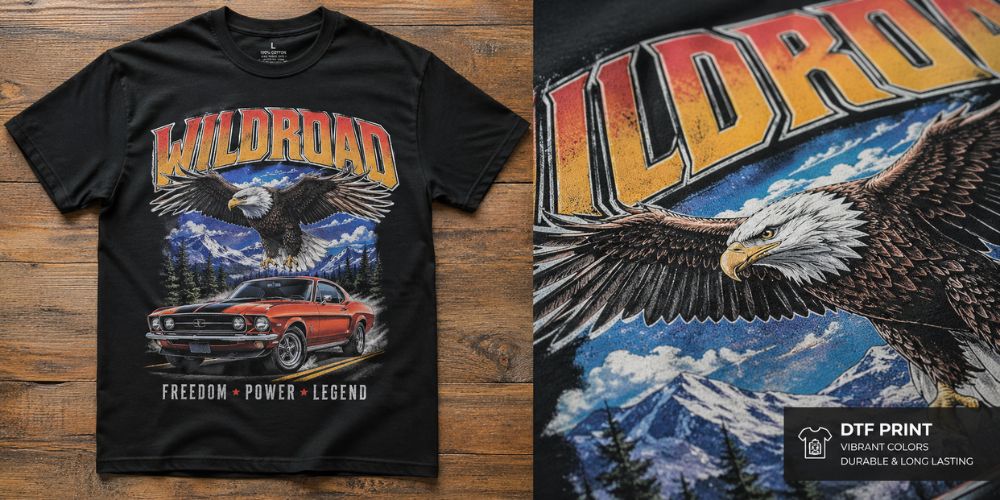
A graphic tee usually has a little history attached to it. Maybe it came from a small brand drop, a weekend event, a team order, a concert table or a custom design someone actually cared enough to make. Then it gets washed like a gym towel.
That is where the trouble starts. The shirt may still be wearable, but the print begins to look tired. A little cracking near the edges. A faded patch across the center. That rough feeling where the design used to feel smooth. For shirts made with quality prints from Mad Monkey Transfers, the wash routine matters almost as much as the print itself.
Learning how to wash a graphic tee is not about babying clothes. It is about keeping the artwork alive for longer.
Give the Print a Little Time
A freshly pressed shirt should not be thrown straight into the washer.
The print needs time to settle after heat pressing. Waiting at least 24 hours before the first wash is a safer habit, especially for custom shirts made for customers, merch tables, staff uniforms or team events.
That first day matters more than people think. A shirt can look finished right after pressing, but the bond still deserves time before water, detergent and movement get involved.
Flip the Shirt Before Washing
Turning the tee inside out sounds too simple to matter. The printed side rubs against the washer drum, buttons, zippers and other clothes during the cycle. That friction slowly wears the surface down. Inside out washing gives the print a little shelter.
This is also why Mad Monkey’s guide on DTF washing instructions gives practical care advice around protecting the print face before washing. The less direct rubbing, the better the design usually holds up.
Cold Water Is the Safer Choice
Hot water is rough on graphic tees. It will not just shrink but there would be a duller and weaker color if you go for his route. In fact, such sort of designs expire harder and faster in the long run. On top of that, cold water is usually the safer and ideal choice for normal light wears you have.
If a shirt has a stain, the better move is spot treatment before washing. Turning up the heat for the whole load often does more harm than good.
Use Less Detergent Than Expected
Firstly, remember that if you are using more amounts of soap per usage does not mean a cleaner shirt will stay with you.
If you dare to use the more than required limit of detergents, it will back fire due to the tee feeling a bit too stiffening.
Now, a particular form of mild detergents can do wonders and do the bare minimum. As well as how bleach is a discouraged element unless there is another requirement. No less, heavy softeners tend to leave those unwanted buildups for both the fabric or the print.
Wash It With the Right Clothes
Graphic tees do better with soft company. Jeans, towels and thick hoodies create a rough wash environment. They rub harder, weigh more and pull at the shirt during the cycle.
This small sorting habit helps the shirt keep its shape and protects the design from unnecessary wear.
Do Not Let the Dryer Win
A dryer is convenient. It is also where many graphic tees start losing their shape.
High heat can shrink cotton and make prints look older before their time. Air drying is the gentler option. The shirt can be laid flat or hung indoors away from harsh sunlight.
If a dryer is needed, low heat is the safer setting.
This is the part most people rush. Then they wonder why the shirt does not feel the same after a few washes.
Never Iron Over the Graphic
Direct heat on a printed design is asking for trouble.
If the shirt needs smoothing, it should be turned inside out first. The iron should stay away from the printed area. A steamer can help with light wrinkles without pressing heat directly onto the artwork.
The print is the reason the shirt exists. It deserves better than a hot iron dragged across it.
Print Quality Still Counts
Good care helps, but the print has to start strong.
Shirts made with better transfers usually hold detail, color and stretch more reliably. Mad Monkey’s article on how long DTF transfers last makes that point clearly: durability depends on both the transfer and the way the garment is treated after printing.
That is why apparel brands and creators pay attention to production first, then care instructions second. Both sides matter.
Conclusion
The best way to wash a graphic tee is not complicated.
Wait before the first wash. Turn it inside out. Use cold water. Choose mild detergent. Keep it away from rough clothes. Dry it gently.
Those habits are small, but they keep favorite shirts in rotation longer.
For creators, shops and brands making shirts people will actually want to wear again, Custom DTF Transfers give the design a stronger start before the first laundry day arrives.