



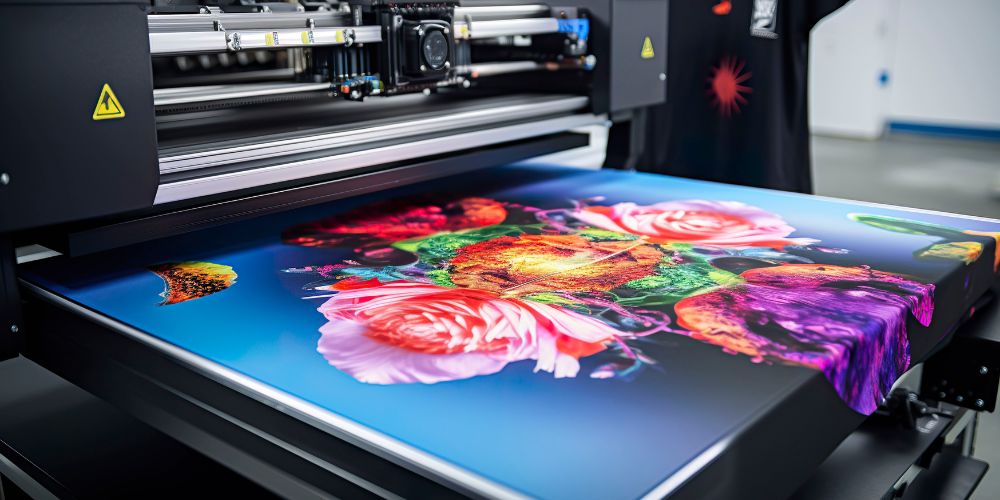
The custom clothing printing business has gotten a lot better since DTF (Direct-to-Film) printing came out. This is good for both well-known companies and people who want to make their own clothes. With DTF transfer film, it's easy to print detailed graphics on many different types of fabric. No less, the film lasts a long time, the colors are bright, and there are a million and one ways to use it. After all, Mad Monkey Transfers speaks from professional experience.
DTF is a great way to make clothes that will last, whether you want them for yourself, for a small business, or for a custom order. It will always seem like a successful project.
This complete guide will show you how to use DTF transfer film step by step, and we'll also give you our best tips for getting the most out of it. This lesson is great for you whether you're a total beginner or just want to get better at DTF printing.
What You Need to Know
First off, you should have a gaze over the design you made one last time before you go for the printing process. Following on, as you continue inking upon the transfer film while it is bottom up, the DTF printers will try to make sure that the transfer sticks without any conflict to the fabric.
Procedures for Printing DTF Transfer Film
To press your design onto cloth with heat, you need a heat press machine. Because of the technology it uses, this printer is called a DTF printer. An inkjet printer that has been changed in some way can do this.
When used with DTF film, these inks make colors that are bright and last a long time.
- To print, you need the DTF Transfer Film. The DTF printing film you use must be of high quality.
- Hot melt powder is a key part of the process because it keeps the ink from smearing on the film and clothes.
- A heat press machine is what you need to press your design onto fabric with heat.
- Now, you can start to print any specific type of fabric material. For one thing, it can even adapt to choices such as cotton or polyester.
On the other hand, having the ideal tools is a must to get the best output from your overall process. As well as how you can avoid any distinct flaws from your work regarding the color-fading or horrid gluing.
Excellent Places To Achieve High Tier DTF Transfer Prints
Come Up With A Brilliant Idea
For starters, the most crucial aspect of DTF printing is making ravishing designs. Meanwhile, you can craft those artistic works with programs like CorelDRAW or Adobe Illustrator if you feel more manual. On top of that, these options make it easier to craft the image you envision. Furthermore, you can save your design in a vector file to get the most accurate result out of the picturization. Hence, it makes it easy to grow and adjust.
Now, before you decide to take on printing, look at the work you made a few more times. For you see, by placing the ink on the transfer film or the other way around, DTF printers will make the ideal situation where the whole transfer goes smoothly over the clothing fabric.
Go Print On The DTF Transfer Film
As you continue printing, just make sure that the film and ink you utilize for your printer will work without conflict. As well as how the printer will place a different layer of ink per film, and that involves each other's colors. A side suggestion would be that for vibrant, bright printouts, you may want to set the standards of your print to the highest level limit. What’s more, do check that there is enough ink, because the design's brightness depends on it.
Apply The Hot Melt Powder
Apply hot melt DTF powder over the design while the ink is still wet after you've finished it. This powder keeps the design in place while you move it to the fabric.
Gently shake the film over the printed pattern to spread the powder out evenly. If you don't use enough powder, it might not stick well. If you use too much, each time you do it will have a different effect. Meanwhile, you must remember to:
- Do not touch the powder while it's drying.
- The curing process starts when the powder is put on.
Moreover, the curing dryer has the function to dry and harden the powder. To say more, the powder must cure for about two to three minutes at a temperature between 120 and 150 degrees Celsius. Now, you may wait until it has cooled enough before proceeding further.
Get Your Clothing Goods Ready
While the movie cools down, get all of your fabric materials together.
Keep checking without ifs and buts to make sure it’s clean and lacks wrinkles. As well as how it is suitable for the ideal place for the heat pressing moment. In order to make the transfer take place seamlessly without any dampness or wrinkles, run the fabric through a pre-press phase.
- Ready To Place The Design On the Fabric
- After everything is ready, put the inked side of the cloth on top of the printed DTF transfer film.
- Next up, you must heat press it from a range of 160–180°C and then just press down with a mild pressing force for about 10-15 seconds.
Another suggestion is that placing the same force for the pressure will make the transfer refined and symmetrical. Keep in mind what kind of fabric it is when you change the time and temperature. Learn more about how to press DTF Transfers properly through our guide.
Next, Carefully Remove The Film
Take off the transfer film carefully after the clothing has cooled down a bit. Your design's bright, clear colors should now be securely sewn onto the fabric.
You can press the transfer sheet again for a few seconds as an optional last step to make your transfer film last longer.
What You Can Do with DTF Transfer Film
Direct-to-garment (DTF) printing: It is the best way to print on clothes because it has so many benefits:
High-Quality Prints: DTF transfer film makes prints that are both bright and clear, and it is made for complicated patterns.
DTF can print on more types of fabrics than other technologies. This group includes fabrics in a range of colors, as well as cotton, polyester/cotton blends, and more.
Unlike other printing methods like DTG (Direct-to-Garment) printing, DTF doesn't need to treat the fabric first, which saves you time and work.
Getting the Most Out of DTF Transfer Film
Follow these tips from industry experts to get great DTF prints every time:
You need to use good materials if you want your project to go well. You'll need good DTF inks, transfer film, and hot melt powder for this.
Try out different fabrics to see which ones work best at various temperatures, lengths of time, and pressures.
For the best results, make sure the hot melt powder spreads evenly. This is an important step in making sure the transfer is clean.
Conclusion
Overall, you can print high-quality pictures on a lot of different fabrics quickly and cheaply with DTF transfer film. It works great for making clothes that are one of a kind.
You should check out our selection of printing materials and custom dtf transfers right now if you want to make great custom clothes. We're here to help you every step of the way with our high-quality products and knowledgeable support team.