


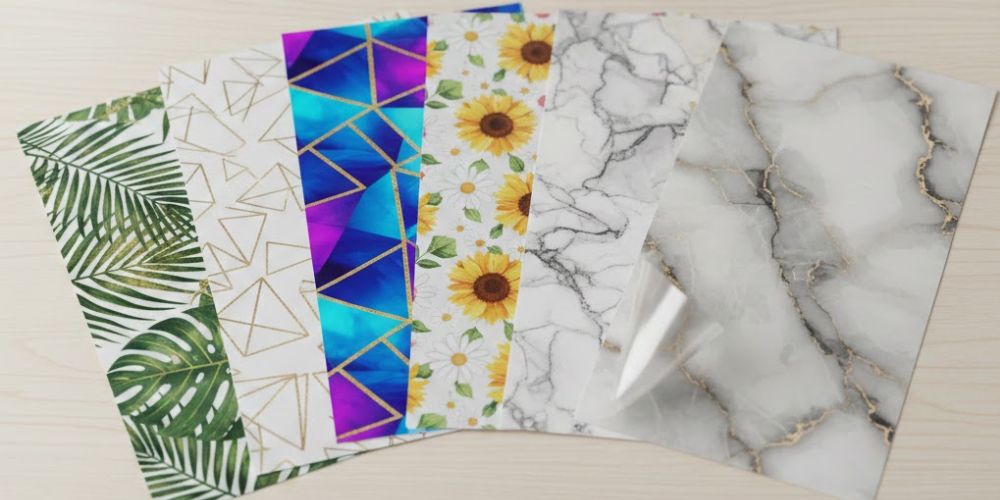
Applying UV DTF (Direct-to-Film) wraps involves a series of simple but precise steps to ensure the best results. Here’s a direct answer, followed by a step-by-step guide:
- Prepare the Surface
- Print the UV DTF Transfer
- Preheat the Heat Press
- Apply the UV DTF Wrap
- Cure the Transfer
Step-by-Step Guide for Applying UV DTF Wraps
Prepare the Surface
Clean the surface thoroughly where the UV DTF wrap will be applied. Make sure it is free of dirt, oil, or any contaminants that could affect adhesion. Use a lint-free cloth and rubbing alcohol to clean the surface.
Print the UV DTF Transfer
Use a UV DTF printer to print your design onto transfer film. Ensure that you use high-quality transfer film that is compatible with UV DTF printing. The print should be clear and sharp, with vibrant colors. Make sure to follow the manufacturer's guidelines for ink and film type for optimal results.
Preheat the Heat Press
Set your heat press to the recommended temperature, typically between 300°F (150°C) and 330°F (165°C), depending on the material you're working with. Preheat the press for a few minutes to ensure consistent heat distribution. Learn more about how to press DTF transfers through our guide.
Apply the UV DTF Wrap
Position the printed transfer film onto the surface you want to wrap. Make sure it is aligned properly. Place a protective sheet or parchment paper over the transfer. Press it down using the heat press for the recommended time (usually around 10-15 seconds). Apply medium to firm pressure to ensure proper adhesion.
Cure the Transfer
After pressing, allow the wrap to cool down for a few seconds. To cure the transfer, use a UV curing lamp or machine. The UV light hardens the ink, ensuring a durable, long-lasting finish. Follow the recommended curing time (usually around 30-60 seconds) based on the manufacturer's instructions for the ink.
Best Surface Wrap Methods for UV DTF Wraps
The best surface wrap methods for UV DTF wraps include selecting the right material, cleaning the surface properly, using the correct transfer film, applying the wrap using a heat press, and curing the transfer with UV light. These methods ensure durability, adhesion, and vibrant colors on various surfaces.
- Choose the Right Surface Material
- Clean the Surface
- Use High-Quality UV DTF Transfer Film
- Apply the Wrap with a Heat Press
- Cure the Transfer with UV Light
Step-by-Step Guide For Best Surface Wrap Methods
Choose the Right Surface Material
Different surfaces require different methods of applying UV DTF wraps. Common surfaces include cotton, polyester, leather, metal, and plastic. For textiles like cotton or polyester, the DTF transfer adheres best when the material is smooth and clean. For rigid surfaces like metal or plastic, make sure the surface is compatible with custom UV DTF Transfers to ensure adhesion and longevity.
Clean the Surface
Cleaning the surface is crucial for achieving a strong bond. Use a lint-free cloth and isopropyl alcohol to remove any dirt, dust, or oils. This ensures that the transfer film adheres properly. For more stubborn residues, use a mild detergent, but make sure to dry the surface completely before applying the wrap.
Use High-Quality UV DTF Transfer Film
The quality of the transfer film plays a key role in the final result. Make sure to use UV DTF transfer films that are specifically designed for the surface you are working with. These films are optimized for ink absorption and can hold colors well. The film should also be compatible with UV inks to ensure the final design’s durability and clarity.
Apply the Wrap with a Heat Press
Set your heat press to the recommended temperature (typically between 300°F/150°C and 330°F/165°C, depending on the material). Apply the transfer for the suggested time, which is generally between 10 to 15 seconds. Use medium to firm pressure to ensure good adhesion. It’s important to make sure the transfer film is properly aligned and doesn’t shift during pressing.
Cure the Transfer with UV Light
After pressing, cure the transfer with UV light to fully set the DTF inks and ensure they are durable. Use a UV curing lamp or machine, and follow the manufacturer’s instructions for time and intensity (usually around 30 to 60 seconds). Curing the ink prevents fading and ensures the design stays vibrant over time.
Are UV DTF Wraps Easy To Apply?
Yes, generally, UV DTF wraps are fairly easy to apply, especially if you follow the right method, and once you get the hang of it, it becomes quick and straightforward.
Why UV DTF Wraps Are Relatively Easy
You don’t always need heat or water for UV DTF. Many wraps stick with just pressure and cure under UV light.
The materials film, ink, and adhesive are designed for straightforward transfer onto smooth, hard surfaces (glass, metal, plastic, etc.).
Once you know the basic sequence clean, align, press/adhere, cure or press, the process becomes almost mechanical and consistent.