



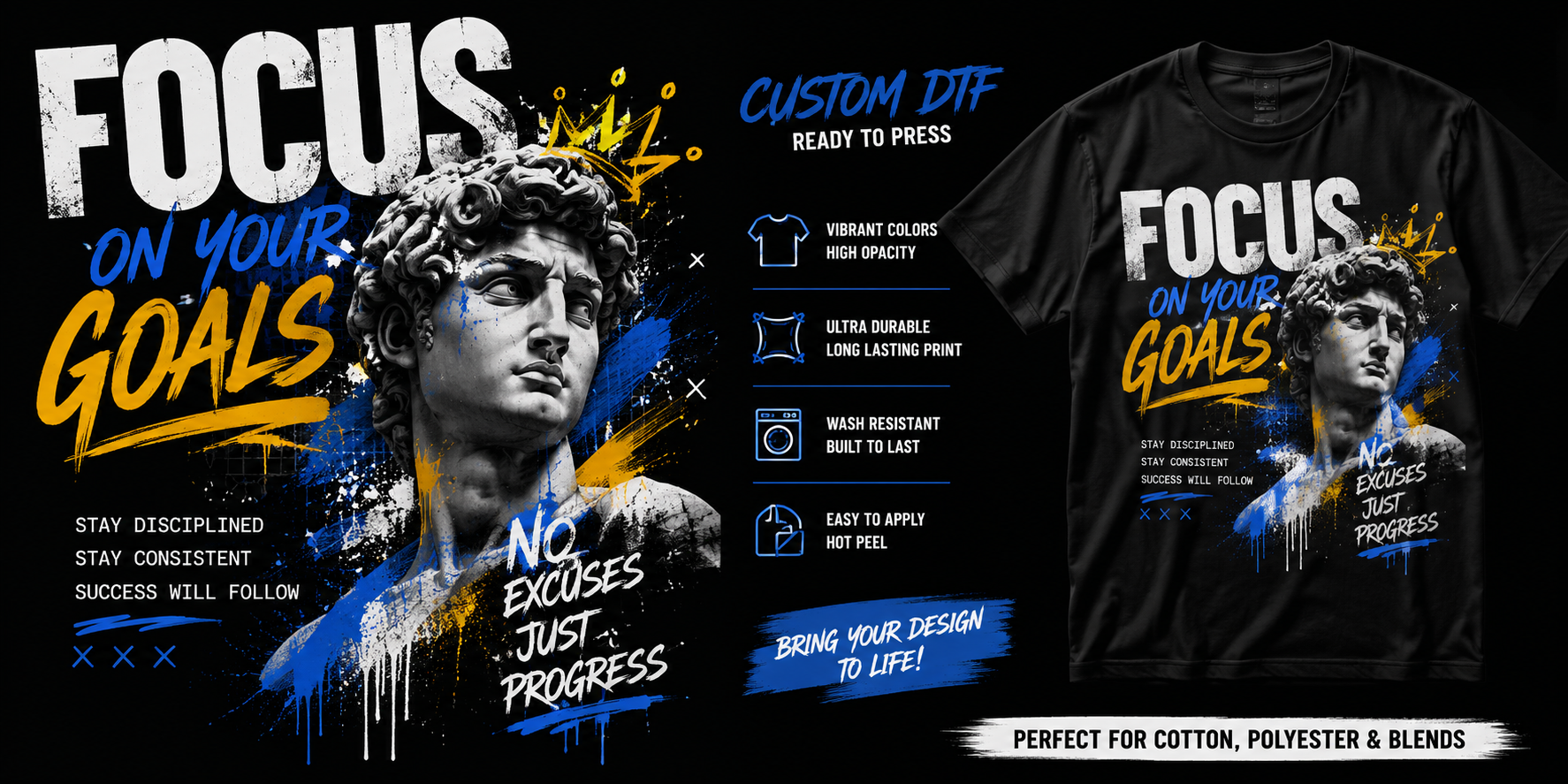
A tee shirt tells the truth fast. If the shoulders drop too far, it looks borrowed. If the chest pulls, it looks uncomfortable. If the length hangs too low, the whole outfit feels tired.
That is why ‘how should a tee shirt fit’ is not only a style question. It matters for custom printing too. A strong design can lose impact on a poor-fitting blank. That is one reason makers and small brands often look at Mad Monkey Transfers when they want the print and the shirt to work together.
Start With the Shoulders
The shoulder seam is the first place to check. It should sit close to the edge of the shoulder where the arm begins. Too high and the shirt feels tight. Too low and it begins to look sloppy unless the oversized look is intentional.
For everyday wear, the seam should look natural from the front and back.
This matters even more with printed shirts. If the shoulders are off, the artwork can look unbalanced before anyone notices the design.
Check the Chest Without Pulling
A tee shirt should skim the chest, not squeeze it. The fabric can sit close without stretching near the armpits.
A shirt that is too tight can make the print look warped. A shirt that is too loose can make the design look lost. The best fit gives the transfer a flat, steady base.
For anyone choosing blanks before printing, the guide on best t-shirts gives useful fabric points that connect well with fit.
Let the Sleeves Sit Naturally
Sleeves are easy to ignore until they look wrong. A good sleeve usually lands around the middle of the upper arm. It should have enough room for movement without flaring out too much.
Tight sleeves can look sharp on some athletic fits, but they should not pinch. Loose sleeves can work for streetwear, but they need the right body shape and shirt style to feel intentional.
The sleeve should match the shirt’s purpose. A work shirt, brand tee or event shirt usually looks better with a clean middle fit.
Watch the Shirt Length
Length changes everything. A tee that ends too high can ride up when the person moves. A tee that drops too low can make the body look shorter.
A safe length usually lands around the upper hip. It should cover the waistband and still keep shape when standing, sitting or reaching.
For custom shirts, length also affects print placement. A large front design needs room to sit cleanly. If the tee is too short, the artwork can feel cramped. If it is too long, the design may sit awkwardly low.
Match Fit to the Shirt’s Purpose
Not every tee shirt should fit the same way. A staff shirt may need a cleaner standard fit. A gym shirt may need stretch and closer shape. A streetwear shirt may look better relaxed.
For business merch, neat and comfortable usually wins. For school events or family shirts, a standard relaxed fit works for more people. For fashion drops, the fit becomes part of the look.
This is where many custom projects go wrong. The artwork gets all the attention while the blank tee is treated as an afterthought. A strong print still needs the right shirt under it.
Think About Washing Too
A tee can fit well on day one and feel different after washing. Cotton may shrink. Thin fabric may twist. Poor-quality seams may move out of shape.
That is why the first fit check should include real wear in mind. The shirt should not be barely long enough before washing. It should not already feel stretched at the chest.
Care also matters after printing. Mad Monkey’s advice on washing a graphic tee is useful for keeping both the fit and print looking better for longer.
Conclusion
A good tee shirt fit feels easy. The shoulders sit in the right place. The chest has room without bagging. The sleeves look clean. The length works with the body and the design.
For printed shirts, this matters even more. The fit is the frame for the artwork. When the shirt sits well, the design gets a better chance to look sharp.
For makers who already have the right blank and want a cleaner print finish, Custom DTF Transfers can help turn a well-fitting tee into something that feels ready to wear.